Whole-Home Surge Protection in Spring Hill: What the Work Involves
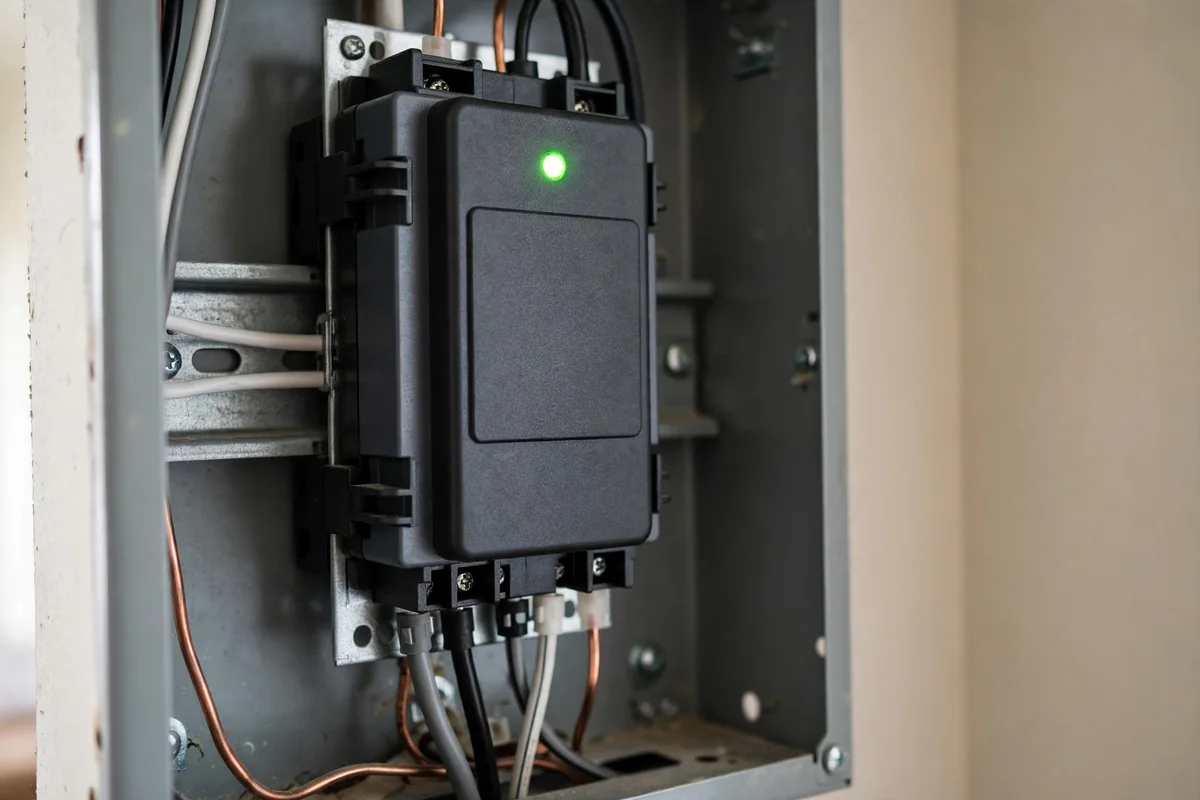
When a homeowner in Spring Hill calls about this service, the job in front of us is panel-mounted surge protection for the whole house: a properly grounded Type 2 device at the service, sized to the home's exposure, with its status verified and its limits explained honestly, plus replacement of spent protectors whose indicator lights have already told their story. We work across ZIP code 37174, from the Wades Grove and Benevento subdivisions to the Saturn Parkway corridor, and brick two-story homes in these Williamson County neighborhoods are hitting the age where builder panels fill up and the first wave of device failures arrives together. That mix shapes the work: Spring Hill has grown from a small town into one of Tennessee's fastest-growing cities, and its housing stock is young, heavily loaded and still expanding on both sides of the Williamson-Maury county line.
Spring Hill's oldest service calls come from the farm-era homes along Main Street and Kedron Road, where the wiring predates the subdivisions by half a century.
When Spring Hill Homeowners Call About Whole-Home Surge Protection
- A storm passed and now the HVAC board, a charger or a TV is sulking
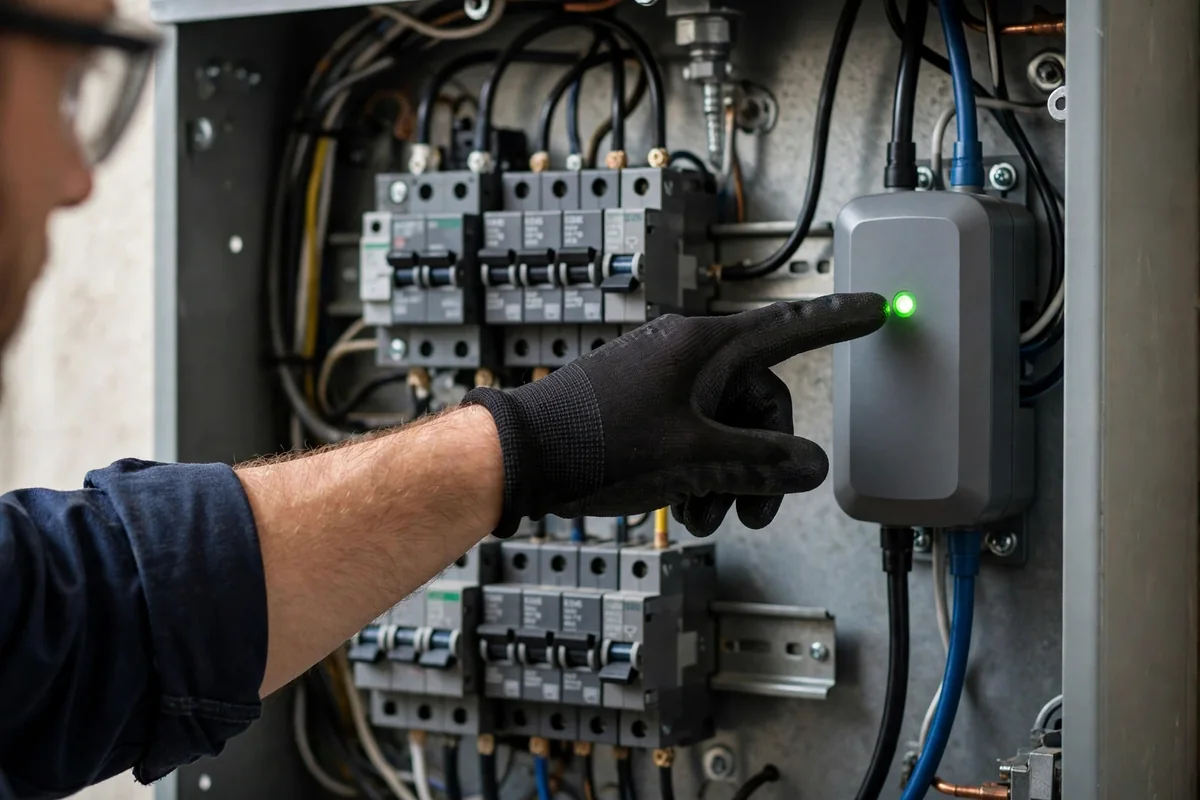
- The old surge device's light has gone dark or red
- Appliances have started dying in pairs after electrical weather
- A well pump or AC keeps losing control boards
- You are insuring a house full of wired-in electronics with hope
- A neighbor's post-storm repair bill rewrote your priorities
Treat the list as triage: mild and occasional can be scheduled, frequent or worsening should not wait, and anything hot or smelling of burning gets the 24/7 number. The common electrical problems guide sorts the everyday symptoms into safe-to-watch and call-today.
How We Track Down the Cause
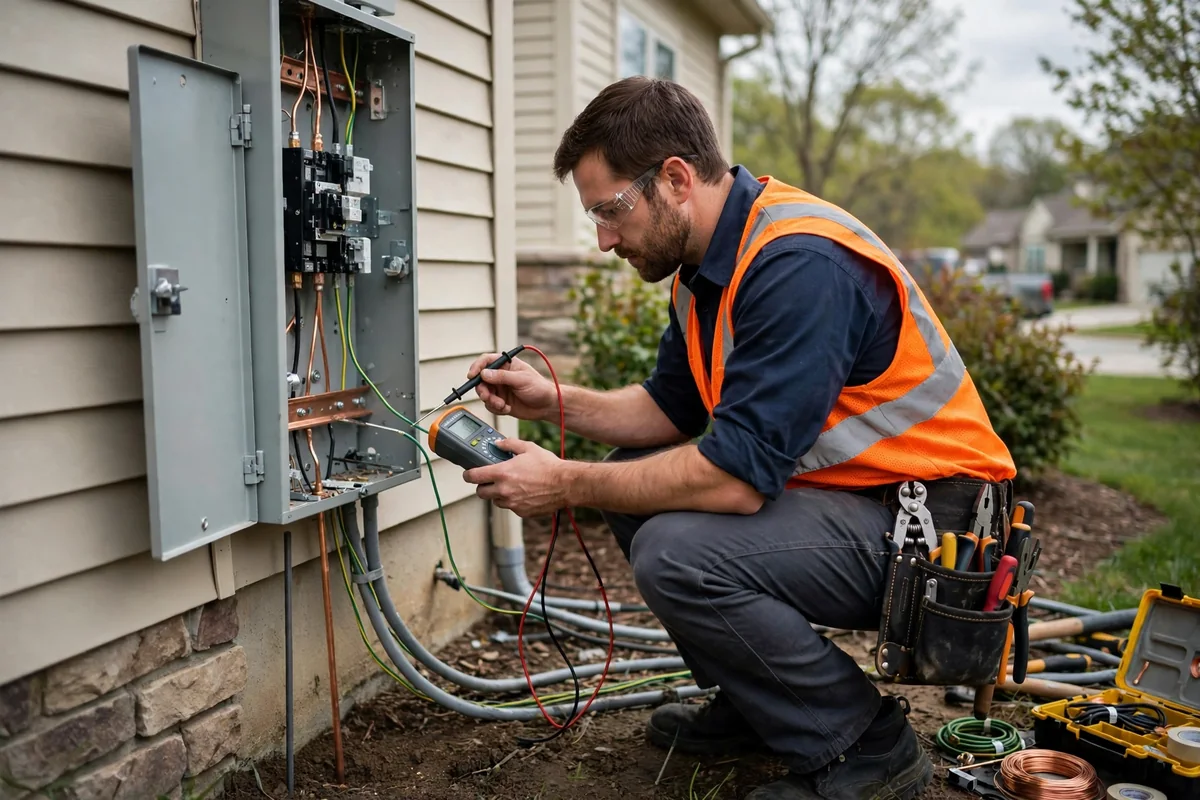
Surge work starts at the ground, literally: a surge protector is a diverter, and a diverter is only as good as the path it diverts into. We test the grounding electrode system and bonding before discussing devices, measure the panel's configuration for lead length (protection degrades with every inch of wire), and inventory what the house is protecting, because a home with HVAC boards, a well pump and two EVs has a different risk profile than the brochure assumes.
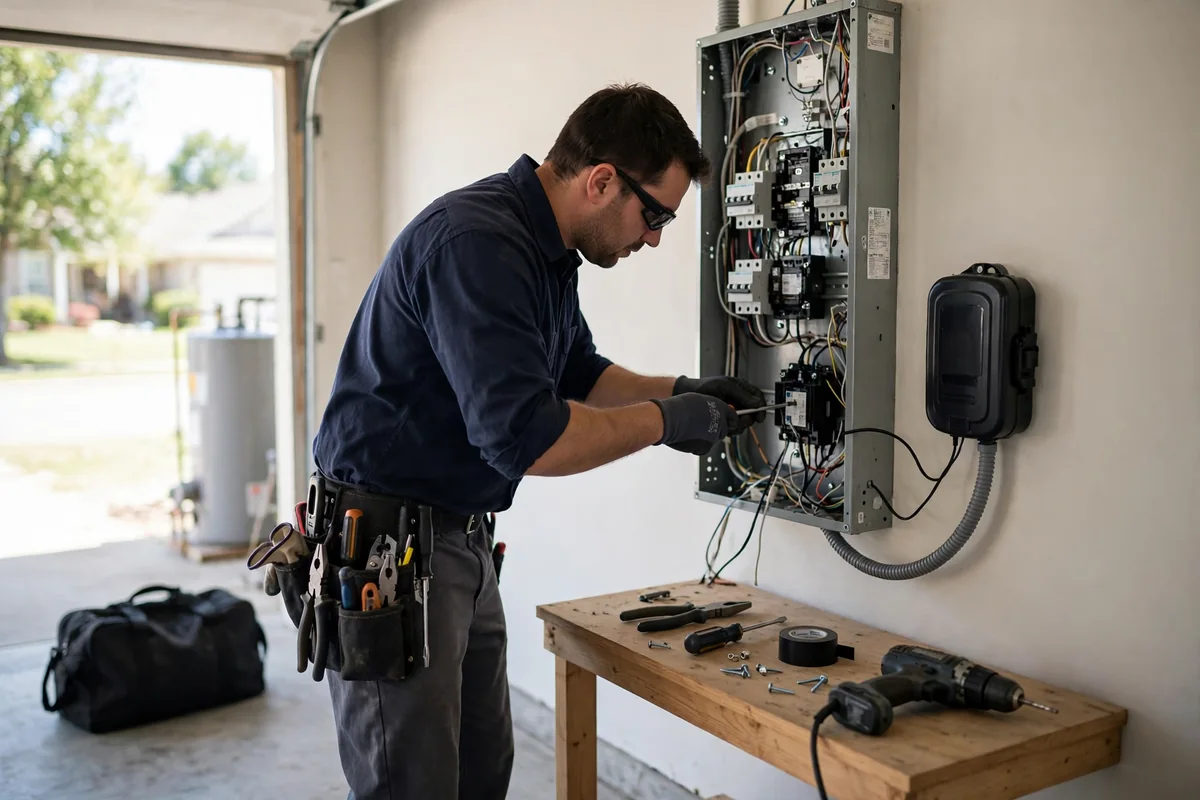
First comes isolation: the circuit is switched off, verified with a tester at the device, and only then opened up.
The Spring Hill Call Pattern
Surge calls in Spring Hill arrive the morning after: a storm line crosses at 2 AM and by breakfast a street has a dead HVAC board, a sulking garage fridge and a charger that will not wake. The other wave is preventive, usually triggered by a neighbor's bill. Both end up at the same two questions, what does the device actually do, and is your ground worthy of it, and the second question is why the visit starts outside at the rod rather than inside at the panel.